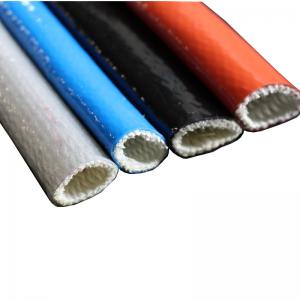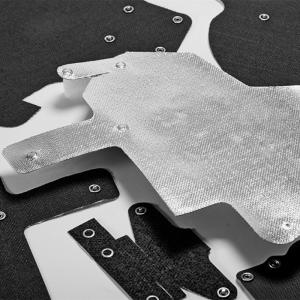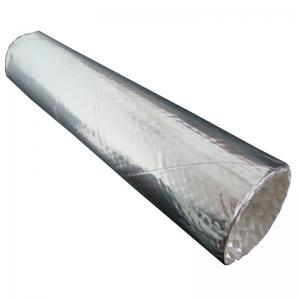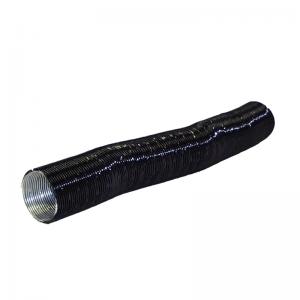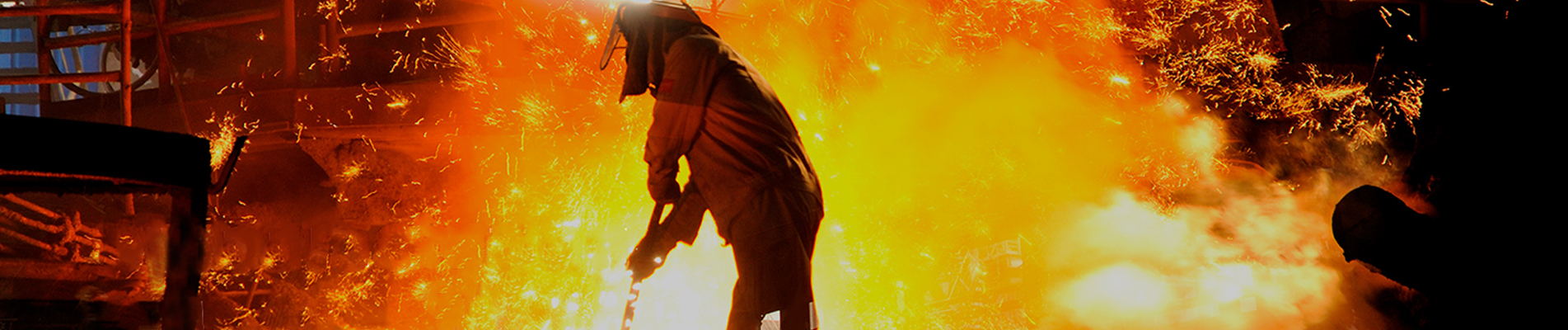
Les fabricants de composites ont souvent besoin de matériaux de renforcement capables d'épouser la forme de tubes, de profils courbes, de structures légères et de formes irrégulières. Les tissus plats conviennent aux panneaux, mais ne sont pas toujours efficaces pour les pièces rondes ou complexes.Manchon en aramide biaxial tresséoffre une solution pratique pour le renforcement des composites lorsque la couverture continue des fibres, la résistance aux chocs et la légèreté sont requises.
Fabriquée en fibre para-aramide, cette gaine tressée sert de couche de renforcement dans les tubes, barres, cadres, structures de protection et pièces moulées sur mesure en composite. Elle est extensible, rétractable et s'adapte à différentes formes avant imprégnation de résine, permettant ainsi aux fabricants de concevoir des composants composites plus résistants et durables.
Contrairement aux gaines de protection utilisées uniquement pour le revêtement des tuyaux ou des câbles, unegaine composite en aramideIl est choisi comme matériau de renforcement structurel. Son rôle est de s'intégrer au composite final après l'application et le durcissement de la résine.
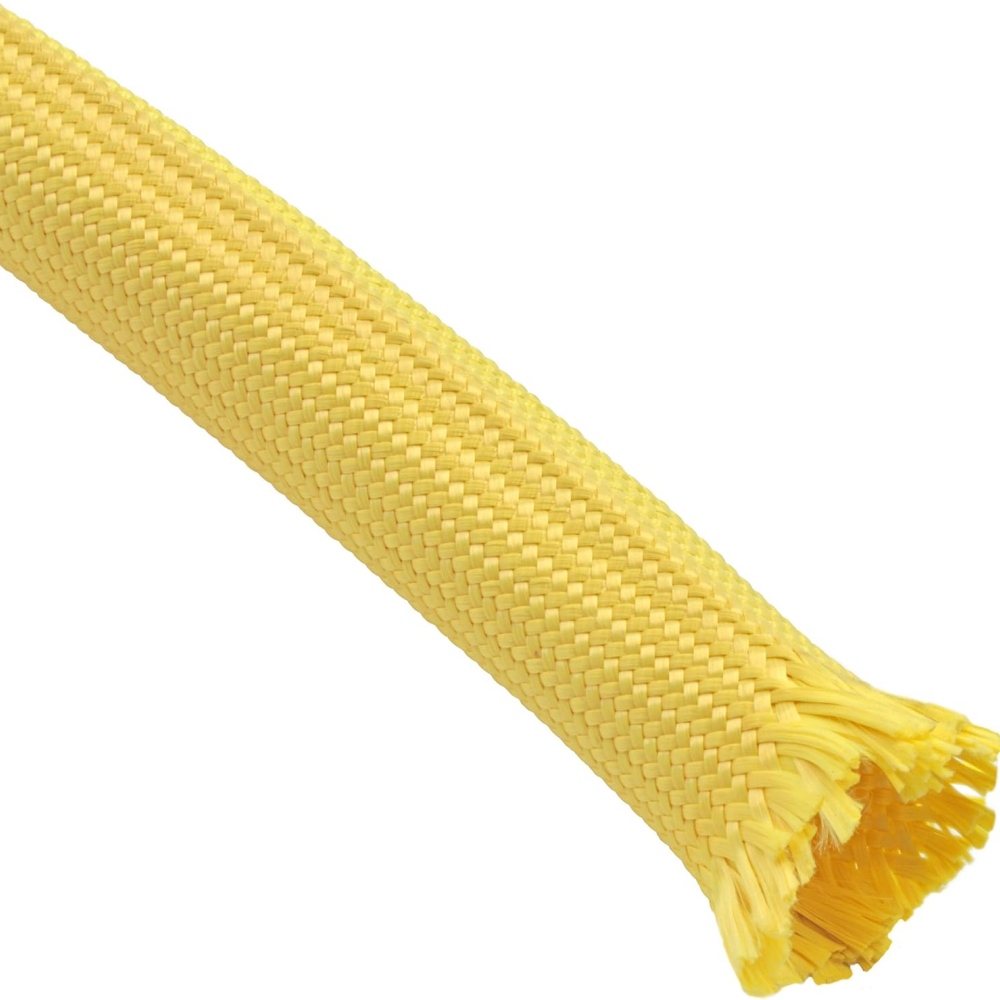
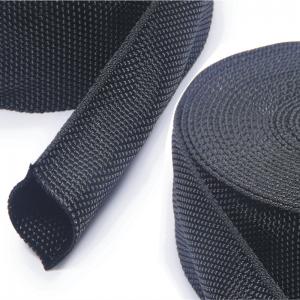
UNmanchon en aramide biaxial tresséIl s'agit d'un manchon de renfort tubulaire fabriqué à partir de fils d'aramide tressés en angle. La structure biaxiale signifie que les fibres s'orientent dans deux directions opposées autour du manchon, créant ainsi un renforcement équilibré sur toute la surface de la pièce.
Cette structure permet à la gaine d'épouser plus facilement les formes rondes, coniques ou profilées que de nombreux tissus de renfort plats. Elle est particulièrement adaptée aux applications composites nécessitant un revêtement continu sans coutures ni découpes excessives de tissu.
En pratique, le manchon est placé sur un mandrin, un tube, un noyau ou une pièce profilée. La résine est ensuite appliquée par stratification humide, infusion ou autres procédés de fabrication de composites. Après polymérisation, le manchon en aramide s'intègre à la structure composite renforcée.
La fibre para-aramide est largement utilisée dans les applications composites exigeantes grâce à son excellent compromis entre robustesse, légèreté et résistance aux chocs. Comparée à de nombreuses fibres textiles classiques, l'aramide offre une résistance mécanique supérieure et une meilleure tolérance aux dommages.
Unmanchon en aramide pour renforcement compositeCe procédé est généralement choisi lorsque la pièce finie doit résister aux chocs, aux vibrations, aux fissures ou aux contraintes mécaniques tout en conservant un poids réduit.
Les principaux avantages sont les suivants :
UNmanche en aramide tresséSon fonctionnement diffère de celui d'un tissu plat. Au lieu d'être découpé et enroulé manuellement autour d'un composant, le manchon peut être déployé et tiré sur la pièce comme une couche de renfort tubulaire.
Cela permet de réduire les problèmes de chevauchement, l'orientation irrégulière des fibres et les déchets liés à la manutention. Pour les tubes et les pièces cylindriques, le gainage tressé offre une disposition de renforcement plus propre et une répartition des fibres plus homogène.
Lors de la production de composites, le manchon peut être utilisé de plusieurs manières :
Le tissu aramide et la gaine tressée en aramide peuvent tous deux être utilisés dans les structures composites, mais ils conviennent à des géométries de pièces différentes.
| Article | Manchon en aramide biaxial tressé | Tissu aramide plat |
| Meilleure forme | Tubes, barres, cadres, profilés courbes, pièces irrégulières | Panneaux plats, feuilles, revêtements et stratifiés multicouches |
| Installation | Enfilé sur la pièce comme un manchon tubulaire | Découpé, superposé et emballé manuellement |
| Couverture fibre optique | Couverture continue sur tout le pourtour | Nécessite un chevauchement ou des coutures sur les parties rondes |
| Déchets matériels | Réduction des déchets pour les pièces tubulaires | Peut générer davantage de déchets de découpe pour les formes complexes. |
| Application principale | Renforcement des tubes composites et des pièces profilées | panneaux composites et stratifiés structuraux plats |
UNmanchon composite en KevlarCe matériau peut être utilisé dans de nombreuses applications où le renforcement léger et la résistance aux chocs sont importants. Il est particulièrement précieux lorsque la forme de la pièce est difficile à renforcer efficacement avec un tissu plat.
Les gaines tressées en aramide conviennent au renforcement des tubes, barres et structures cylindriques composites. La gaine épouse la forme du tube et assure un enrobage continu en fibres, ce qui la rend idéale pour les applications structurelles légères.
La fibre aramide est souvent privilégiée lorsque la robustesse et la résistance aux dommages sont essentielles. Une gaine tressée en aramide peut servir de couche de renfort externe pour les pièces composites susceptibles de subir des chocs ou des agressions de surface.
Les composants composites sur mesure utilisés dans les articles de sport, les outils industriels, les structures de protection et les assemblages légers peuvent bénéficier d'un renforcement en aramide lorsque la robustesse est plus importante que la simple rigidité.
Les bras robotiques, les châssis légers et les composants de mouvement nécessitent souvent des matériaux robustes sans poids excessif. Les manchons en composite d'aramide permettent de réaliser des renforcements adaptés aux conceptions où la légèreté et la durabilité mécanique sont toutes deux essentielles.
Pour la fabrication OEM, les gaines tressées en aramide peuvent être produites en différents diamètres, poids de fibres et structures afin de répondre aux exigences spécifiques de la production de composites.
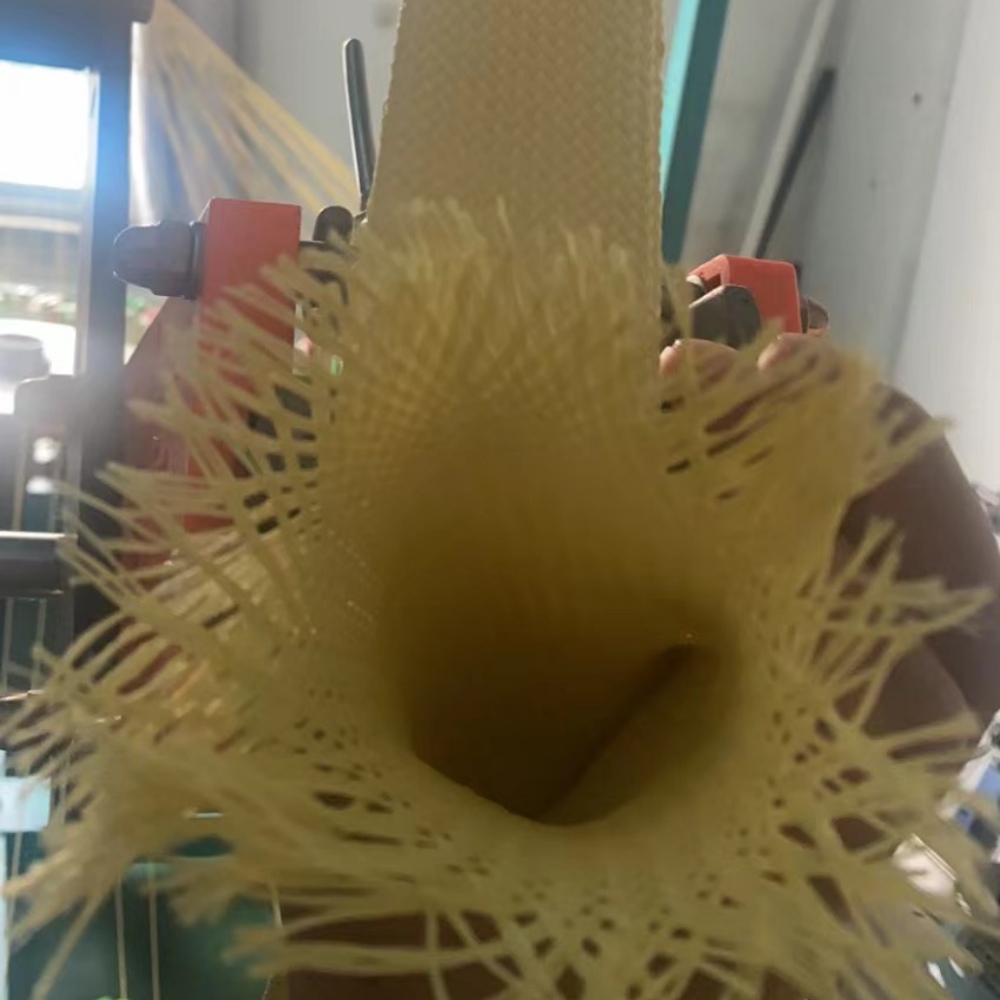
Les acheteurs peuvent utiliser différents termes de recherche lorsqu'ils recherchent le même type de matériau de renforcement. Parmi les termes courants, on trouve :gaine composite en aramide,manchon composite en Kevlar,manche tressée en para aramide,gaine en fibre aramideetmanche en aramide tressé.
Le Kevlar est un nom bien connu des fibres para-aramides, tandis que l'aramide désigne une catégorie de matériaux plus large. Dans le renforcement des composites, les principaux critères de sélection sont le type de fibre, le diamètre de la gaine, l'angle de tressage, l'épaisseur de paroi, le poids, la compatibilité avec la mise en œuvre de la résine et les exigences de l'application finale.
Choisir la gaine tressée en aramide appropriée ne se résume pas à sélectionner un nom de produit générique. Les ingénieurs en matériaux composites doivent prendre en compte la géométrie de la pièce et les performances de renforcement requises.
Les facteurs importants comprennent :
Oui, les gaines en aramide peuvent également servir à la protection des tuyaux et des câbles, mais le renforcement des composites et la protection industrielle constituent des applications différentes. Pour les pièces composites, la gaine est généralement imprégnée de résine et intégrée à la structure finale. Pour la protection des tuyaux ou des câbles, la gaine demeure un revêtement protecteur externe.
Pour les applications de protection industrielle, PKFiresleeve fournit également :
PKFiresleeve fabrique des gaines en aramide pour le renforcement des composites, la protection des tuyaux et des câbles, ainsi que la protection mécanique industrielle. Différentes constructions peuvent être développées selon les exigences de l'application, notamment des structures tressées, tricotées et tissées à plat.
Pour les projets de renforcement composite, les options personnalisées peuvent inclure le diamètre de la gaine, la densité du tressage, l'épaisseur de paroi, le poids des fibres, la longueur du rouleau et le mode de conditionnement. Les spécifications OEM peuvent également être élaborées à partir d'échantillons ou de dessins techniques.
Pour obtenir une recommandation adaptée, veuillez indiquer le diamètre de la pièce, sa forme, le procédé de résine, le but du renforcement requis, l'environnement d'exploitation et la quantité commandée.
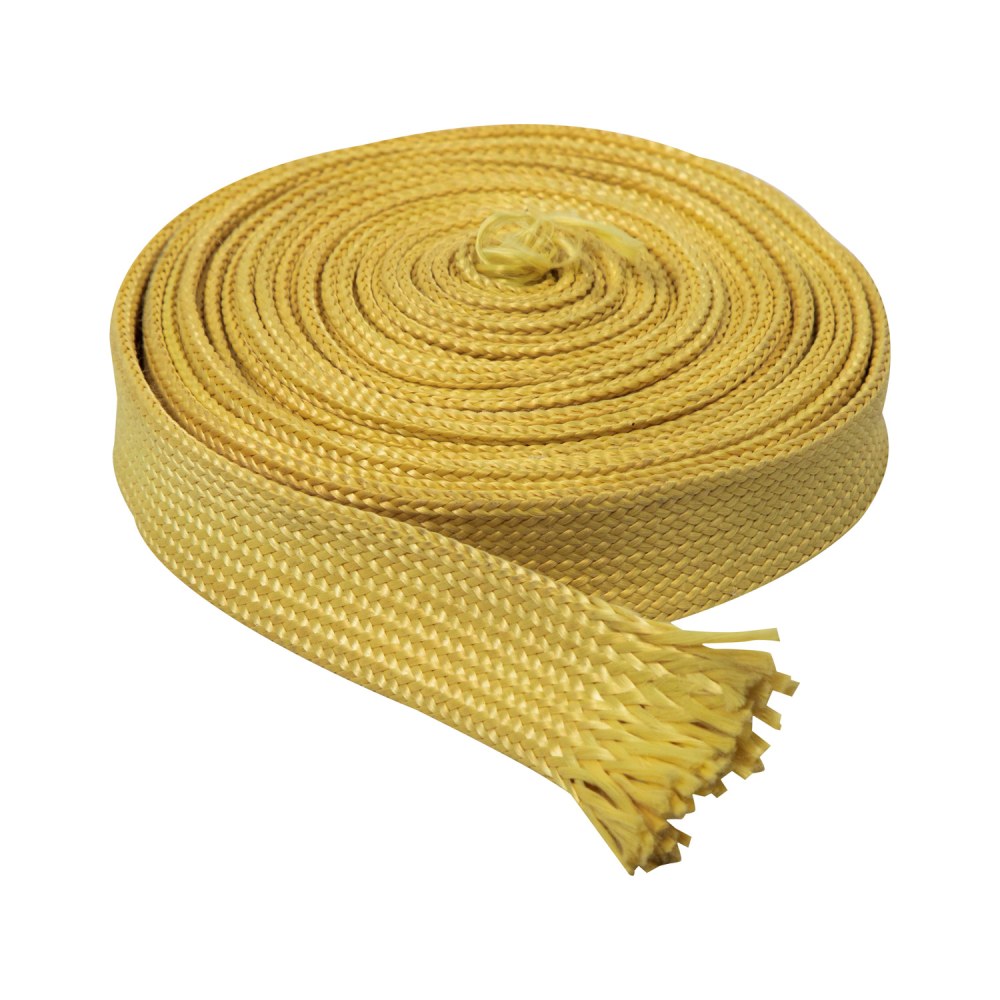
Un manchon tressé en aramide biaxial est utilisé pour le renforcement des composites, les pièces structurelles légères, les couches résistantes aux chocs, les tubes, les tiges et les composants de forme personnalisée.
Oui. La gaine en aramide peut servir de couche de renforcement dans la fabrication des composites. Elle est particulièrement utile pour les pièces tubulaires et courbes nécessitant un revêtement de fibres continu.
Le Kevlar est un nom bien connu des fibres para-aramides. Le terme « manchon en aramide » désigne plus généralement les manchons fabriqués à partir de fibres aramides. Dans les applications industrielles et composites, les deux termes sont souvent utilisés par les acheteurs.
Oui. La gaine tressée en aramide peut être utilisée avec de la résine époxy et d'autres systèmes de résine composite, selon le processus de production et les exigences de performance finales.
Pour les pièces tubulaires, la gaine tressée est souvent plus facile à appliquer car elle assure une couverture continue sur toute la circonférence. Le tissu plat est plus adapté aux panneaux et aux stratifiés plats.
Oui. Le diamètre, la structure, le poids des fibres, la densité du tressage, la longueur des rouleaux et l'emballage peuvent être personnalisés en fonction des exigences des composites ou des applications industrielles.
Si vous avez besoin d'unManchon en aramide biaxial tressé,gaine composite en aramideoumanchon composite en KevlarPour le renforcement composite, contactez PKFiresleeve en précisant les dimensions de votre pièce, votre processus de production et vos exigences de performance.
Notre équipe peut prendre en charge le développement de manchons en aramide sur mesure pour les tubes composites, les composants profilés, les pièces résistantes aux chocs et les projets de renforcement OEM.

 English
 Deutsch
 русский
 italiano
 español
 português
 Nederlands
 العربية
 日本語
日本語 한국의
한국의 Türkçe
 Polski
 Tiếng Việt
 slovenský
 Indonesia