English
 Deutsch
 русский
 italiano
 español
 português
 Nederlands
 العربية
 日本語
日本語 한국의
한국의 Türkçe
 Polski
 Tiếng Việt
 slovenský
 Indonesia



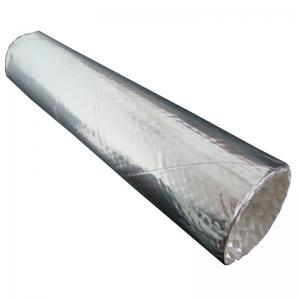
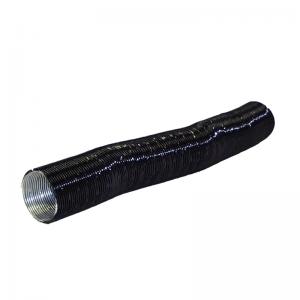
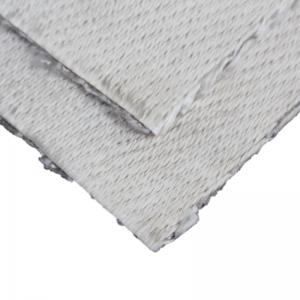
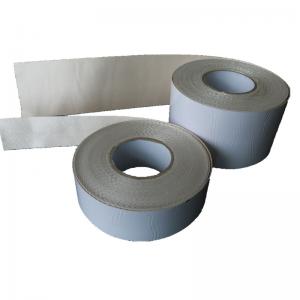
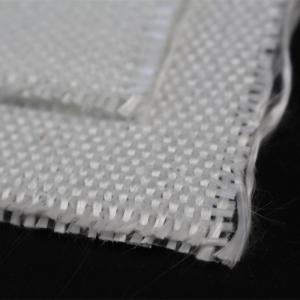
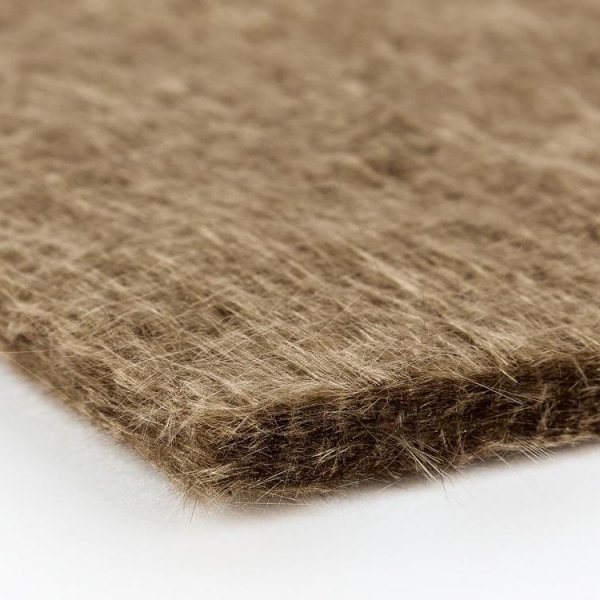
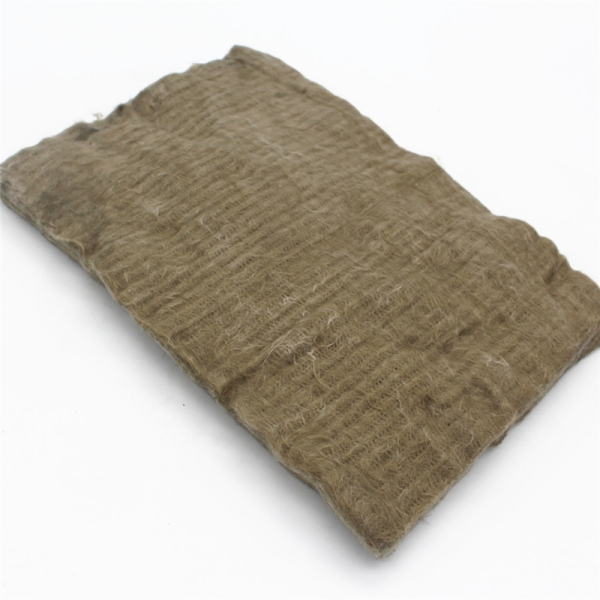
Le matelas aiguilleté en basalte est souvent choisi lorsqu'un système d'isolation industrielle doit répondre à d'autres besoins que la simple chaleur. Les carters d'équipement, les enceintes de machines, les conduits, les composants marins et les couvertures thermiques fabriquées peuvent également nécessiter une absorption acoustique, un contrôle des vibrations et une couche d'isolation flexible pouvant être convertie dans la forme requise.
La spécification correcte ne peut donc pas être réduite à une seule valeur de température. Les acheteurs doivent prendre en compte la charge thermique, l'objectif acoustique, l'épaisseur, la densité, l'espace d'installation, les vibrations, la construction du revêtement et le format de livraison ensemble.
BSTFLEX fournit du matelas aiguilleté en fibre de basalte pour des projets d'isolation thermique et acoustique industrielle. Ce guide explique ce que les ingénieurs et les équipes d'achat doivent définir avant de demander des échantillons ou des devis.
Commencez par la fonction de l'isolation
Avant de choisir l'épaisseur ou la densité, définissez le problème que le matelas est censé résoudre. Une même pièce d'équipement peut avoir plusieurs exigences, mais l'une d'entre elles dicte généralement le choix du matériau.
| Exigence principale | Questions à définir |
|---|---|
| Isolation thermique | Quelles températures sont atteintes au niveau du matelas ? Quel objectif de perte de chaleur ou de température de surface externe le système terminé doit-il atteindre ? |
| Absorption acoustique | L'objectif est-il de réduire le son réfléchi à l'intérieur d'une enceinte, d'améliorer l'absorption autour des machines ou de répondre à une exigence de test acoustique définie ? |
| Contrôle des vibrations | L'isolation subira-t-elle des vibrations de moteur, des mouvements de machines, un entretien répété ou des vibrations de transport ? |
| Fabrication | Le matériau sera-t-il fourni sous forme de rouleaux, de feuilles ou de composants découpés ? Doit-il s'adapter à des surfaces courbes, des carters ou une géométrie d'équipement complexe ? |
| Exigence combinée | Quelle exigence est prioritaire et comment l'assemblage complet sera-t-il évalué après l'installation ? |
Sélection thermique : utilisez la température au niveau de la couche d'isolation
L'une des erreurs de spécification les plus courantes consiste à ne citer que la température maximale de la machine, des gaz d'échappement ou du fluide de traitement. Le matelas isolant peut subir une température différente selon sa position, le contact avec la surface chaude, les espaces d'air, le bardage et le flux d'air environnant.
Une demande de devis utile doit donc distinguer :
- la température de fonctionnement normale ;
- la température de pointe de courte durée ;
- la température au niveau du matelas ou de la surface côté chaud ;
- la durée et la fréquence des cycles thermiques ;
- le contact direct par rapport à l'exposition radiante sans contact ;
- les conditions ambiantes autour du composant isolé.
La capacité de température doit être confirmée pour la spécification du matelas en fibre de basalte sélectionné et pour l'installation complète. Une valeur de température de fibre seule n'établit pas la limite de fonctionnement d'une couverture, d'une enceinte ou d'un assemblage stratifié fini.
L'épaisseur n'est qu'une partie de la performance thermique
L'augmentation de l'épaisseur de l'isolation peut accroître la résistance thermique, mais l'épaisseur ne doit pas être choisie indépendamment de la densité, de la compression et de la géométrie de l'installation.
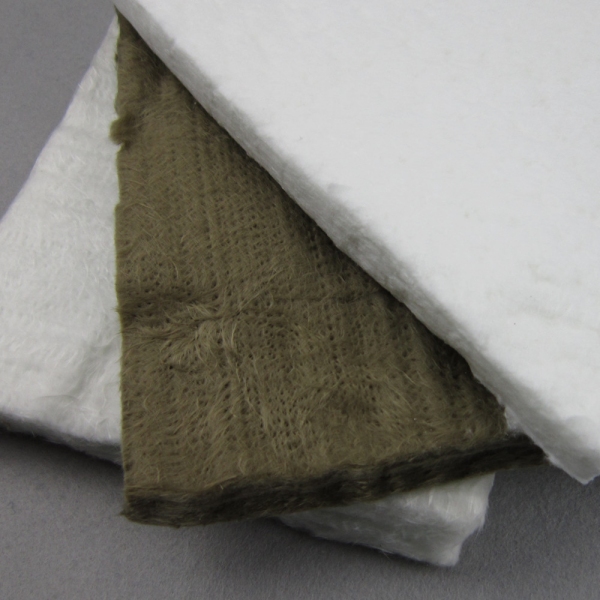
BSTFLEX répertorie actuellement le matelas aiguilleté en basalte dans des épaisseurs allant de 3 à 25 mm, avec différentes plages de densité selon l'épaisseur choisie. La gamme de produits publiée comprend une largeur nominale de 1050 mm.
Lors de l'envoi d'une demande, indiquez :
- l'épaisseur nominale requise ;
- l'espace disponible pour l'installation ;
- la densité requise ou la plage de densité acceptable ;
- si le matelas sera compressé ;
- construction monocouche ou multicouche ;
- toute donnée requise sur la conductivité thermique ou la perte de chaleur ainsi que ses conditions d'essai.
Ne comparez pas les valeurs de conductivité thermique à moins que la température d'essai, la densité de l'échantillon et la méthode d'essai ne soient connues. Un seul chiffre de conductivité sans conditions ne suffit pas pour prédire comment deux systèmes d'isolation se comporteront en service.
La sélection acoustique nécessite une question différente
L'isolation thermique demande avec quelle efficacité le matériau résiste au flux thermique. L'isolation acoustique demande comment la structure fibreuse interagit avec l'énergie sonore.
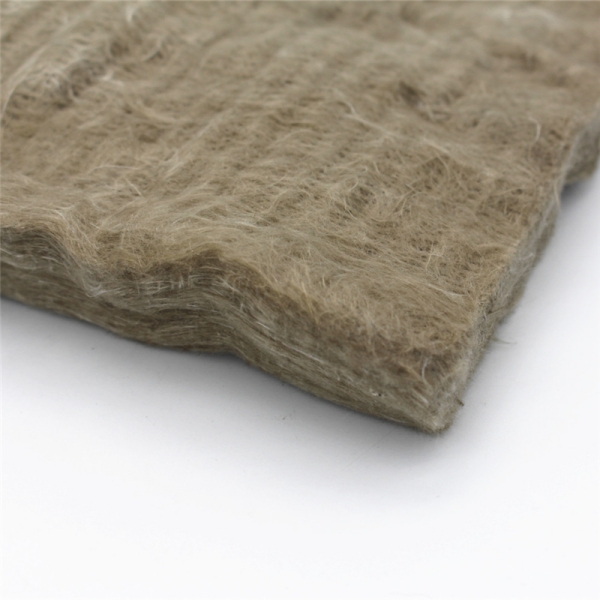
Le feutre aiguilleté de basalte possède une structure fibreuse non tissée ouverte, ce qui le rend pertinent pour les applications d'absorption acoustique. Cependant, une déclaration générale telle que « bonne isolation acoustique » n'est pas suffisante pour un projet de contrôle du bruit technique.
Les acheteurs doivent identifier :
- la source de bruit dominante ;
- la gamme de fréquences concernée ;
- si une performance d'absorption ou de perte par transmission est requise ;
- la profondeur de cavité disponible ;
- le revêtement ou le panneau perforé recouvrant le matelas ;
- l'essai acoustique ou la méthode d'acceptation requis.
Un matelas installé derrière un panneau métallique perforé peut se comporter différemment du même matériau enfermé derrière une tôle métallique pleine. La construction complète du panneau ou de l'enceinte importe donc autant que la fibre elle-même.
N'utilisez pas la densité comme un simple classement acoustique
Un matelas à plus haute densité n'est pas automatiquement la meilleure solution acoustique.
L'absorption acoustique dépend de la relation entre la structure des fibres, l'épaisseur, la densité, l'espace d'air et la construction du revêtement. Augmenter la densité peut modifier la résistance au flux d'air, mais le résultat doit être évalué pour la gamme de fréquences et l'assemblage prévus.
Si la performance acoustique est un critère d'achat important, incluez la gamme de fréquences requise et la méthode d'essai dans le cahier des charges du projet plutôt que de demander uniquement la densité la plus élevée disponible.
Considérez les vibrations et les manipulations répétées
L'isolation industrielle est rarement installée dans des conditions de laboratoire. Les ventilateurs, compresseurs, générateurs, moteurs, turbines et autres machines peuvent exposer les matériaux isolants à des vibrations continues.
L'acheteur doit considérer :
- l'orientation du matelas installé ;
- le montage vertical ou en hauteur ;
- le niveau de vibration ;
- la vitesse de l'air autour de l'isolation ;
- la fréquence de retrait et de réinstallation ;
- la protection des bords et la méthode de retenue.
Lorsque la stabilité mécanique est critique, le matelas isolant doit être évalué dans le cadre de l'assemblage complet. Des goupilles, des mailles, des tissus, des panneaux métalliques ou d'autres systèmes de retenue peuvent être nécessaires en fonction de la conception de l'équipement.
Le matelas aiguilleté de basalte n'est pas un tissu de basalte
Les acheteurs utilisent parfois les termes matelas de basalte, feutre de basalte et tissu de basalte de manière interchangeable, mais ces produits ont des constructions différentes.
| Propriété | Matelas aiguilleté de basalte | Tissu de basalte tissé |
|---|---|---|
| Construction | Structure fibreuse non tissée, mécaniquement aiguilletée | Construction en fil tissé |
| Rôle typique | Couche d'isolation thermique et acoustique en vrac | Revêtement en tissu, enveloppe, barrière ou couche textile renforcée |
| Épaisseur | Généralement fourni sous forme de tapis isolant plus épais | Généralement beaucoup plus fin qu'un tapis isolant |
| Utilisation acoustique | Adapté à une évaluation en tant que couche isolante absorbante | Généralement pas sélectionné comme couche principale d'absorption acoustique en vrac |
Spécifiez la construction requise plutôt que d'acheter uniquement selon le mot « basalte ».
Où le tapis aiguilleté de basalte s'intègre-t-il dans les équipements industriels
Enceintes de machines et de générateurs
Les boîtiers d'équipement peuvent nécessiter à la fois une gestion de la chaleur interne et une réduction du bruit. Le tapis aiguilleté de basalte peut être évalué comme couche isolante fibreuse entre l'équipement et un panneau ou une enceinte externe.
Le concepteur doit définir l'exposition à la chaleur, la profondeur de cavité disponible, le flux d'air et l'objectif acoustique. Si un panneau intérieur perforé est utilisé, incluez le motif de perforation et la zone ouverte dans la conception acoustique.
Conduits industriels et systèmes à air chaud
Le tapis de basalte peut être envisagé pour l'isolation de conduits fabriqués lorsque la spécification du matériau approuvé correspond à la température et à l'environnement. Définissez si l'isolation se trouve à l'intérieur ou à l'extérieur du conduit et si elle est exposée à des gaz en mouvement, à de la condensation ou à un trafic de maintenance.
Couvertures isolantes amovibles
Le matériau peut être utilisé comme noyau isolant à l'intérieur de couvertures amovibles fabriquées. Dans cette application, l'acheteur doit spécifier la construction complète de la gaine, y compris le tissu intérieur, le tissu extérieur, le fil à coudre, les fermetures et tout système de retenue.
Le tapis aiguilleté de basalte est le noyau isolant ; ce n'est pas en soi une couverture isolante amovible finie.
Compartiments moteurs marins et industriels
L'équipement installé à proximité des moteurs peut combiner des exigences de chaleur, de bruit et de vibration. Fournissez l'emplacement du composant, la température ambiante, l'exposition possible à l'huile ou à l'humidité et la méthode de montage. Les exigences d'approbation marine, le cas échéant, doivent être spécifiées séparément plutôt que supposées à partir de la fibre de base.
Quand devriez-vous comparer le basalte avec la fibre de verre ?
Les tapis aiguilletés en basalte et en fibre de verre peuvent se chevaucher dans les applications d'isolation industrielle, mais ils ne doivent pas être traités comme des produits interchangeables.
Commencez par le service opérationnel réel et la spécification de matériau approuvée. Si le projet peut être satisfait par du E-glass et que le coût est un facteur majeur, examinez le tapis aiguilleté en fibre de verre. Lorsque le projet nécessite spécifiquement de la fibre de basalte ou que la qualité de basalte vérifiée offre des avantages pour les conditions prévues, évaluez le basalte séparément.
Pour les applications au-delà de la plage approuvée de l'un ou l'autre matériau, utilisez la gamme de matériaux d'isolation haute température BSTFLEX pour comparer la silice, la fibre céramique et d'autres options d'isolation.
Fourniture en rouleaux, découpe et conversion OEM
Les acheteurs industriels ont souvent besoin de plus qu'un rouleau standard. Avant de demander un devis, déterminez si votre processus de production nécessite :
- des rouleaux pleine largeur ;
- des longueurs de rouleau spécifiées ;
- des feuilles ou des ébauches rectangulaires ;
- des composants d'isolation coupés à la taille ;
- des trous, des fentes ou des profils façonnés ;
- un emballage ou un étiquetage spécial ;
- des quantités de prototype ou d'échantillon avant la production.
Pour les projets basés sur des dessins, fournissez la révision du dessin, les tolérances dimensionnelles et la quantité annuelle ou par lot. BSTFLEX peut examiner les exigences du projet via ses services OEM et de fabrication sur mesure.
Que devrait inclure une demande de devis (RFQ) pour un tapis aiguilleté de basalte ?
Une demande industrielle utile doit contenir suffisamment d'informations pour identifier à la fois le matériau et son environnement d'exploitation.
Application : [Équipement / composant / enceinte]
Fonction principale : [Thermique / acoustique / combiné]
Température de fonctionnement : [Continu / pic / durée]
Matériau requis : [Épaisseur / densité / dimensions]
Installation : [Contact / lame d'air / enceinte / couvercle amovible]
Environnement : [Vibration / vitesse de l'air / humidité / huile / produits chimiques]
Exigence acoustique : [Gamme de fréquences / exigence de test, le cas échéant]
Format de fourniture : [Rouleau / feuille / pièce découpée]
Quantité : [Quantité de prototype et demande de production]
Questions fréquentes sur le matelas aiguilleté en basalte
Le matelas aiguilleté en basalte est-il principalement un matériau thermique ou acoustique ?
Il peut être évalué pour les deux fonctions. Le cahier des charges doit identifier quelle performance est prioritaire. La sélection thermique est déterminée par la température, le flux thermique et l'épaisseur installée, tandis que la sélection acoustique dépend en outre de la fréquence, de la densité, de la profondeur de la cavité et de la structure du revêtement.
Une densité plus élevée améliore-t-elle toujours les performances ?
Aucune densité unique ne doit être supposée fournir le meilleur résultat pour chaque application. La densité doit être considérée conjointement avec l'épaisseur, la structure des fibres, la compression et la performance thermique ou acoustique requise.
Le matelas aiguilleté en basalte peut-il être installé directement sur un équipement chaud ?
L'utilisation en contact direct doit être examinée en fonction de la qualité du matériau sélectionné et des conditions de l'équipement. Indiquez la température de surface réelle, la durée d'exposition, la pression, les vibrations et la méthode de retenue avant d'approuver la construction.
Le matelas aiguilleté en basalte peut-il être utilisé pour l'insonorisation de machines ?
Il peut être utilisé comme couche d'absorption acoustique à l'intérieur d'une enceinte de machine conçue à cet effet. La performance de l'enceinte finale dépend également de la masse des panneaux, des ouvertures, des joints, de la profondeur de la cavité et de la disposition du matériau absorbant.
BSTFLEX peut-il fournir des tailles personnalisées ?
Les dimensions des rouleaux, les feuilles et les pièces découpées spécifiques au projet peuvent être discutées en fonction des spécifications requises et de la quantité de production. Soumettez le dessin et les tolérances requises pour examen par le service de fabrication.
Sélectionnez le matelas aiguilleté en basalte par application, et non par un seul chiffre
Une spécification d'isolation en basalte utile relie le matériau à l'équipement. La température, l'épaisseur, la densité, les exigences acoustiques, les vibrations et les détails d'installation doivent être considérés ensemble.
Pour les dimensions et les plages de densité actuelles de BSTFLEX, consultez la page produit du matelas aiguilleté en fibre de basalte. Si vous comparez plusieurs types de fibres, visitez la gamme de matériaux en laines isolantes haute température.
Envoyez le dessin de votre équipement, les conditions de fonctionnement et la quantité d'achat afin que la spécification du matériau et le format de livraison puissent être examinés avant l'établissement du devis.