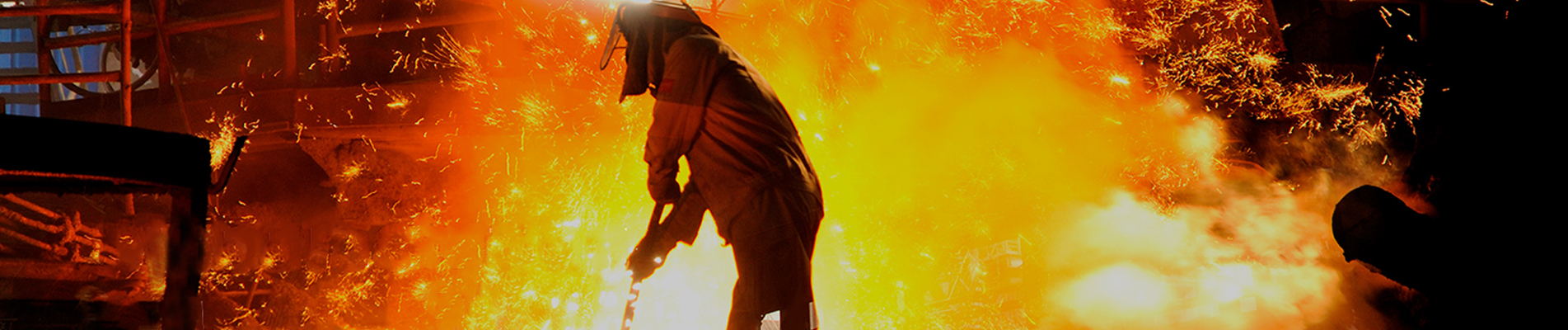
Texturized fiberglass fabric and filament fiberglass fabric can be made from the same general glass-fiber family, but the yarn structure gives the finished cloth very different thickness, bulk, surface character and fabrication behavior.
Texturized fiberglass uses yarn that has been mechanically bulked or volumized before weaving. This increases the volume of the yarn and produces a thicker, fuller textile. Filament fiberglass fabric is woven from comparatively smooth continuous-filament yarns and can be manufactured in thinner, denser and lighter constructions.
Neither construction is universally better. The correct choice depends on whether the finished component needs bulk thermal insulation, low thickness, dimensional control, coating compatibility, abrasion resistance or repeated fabrication into blankets, curtains, covers and expansion-joint components.
BSTFLEX supplies Texturized Fiberglass Fabric in several thicknesses for industrial heat protection and also offers filament, heat-treated, coated and reinforced fiberglass constructions through the High Temperature Fabric range.
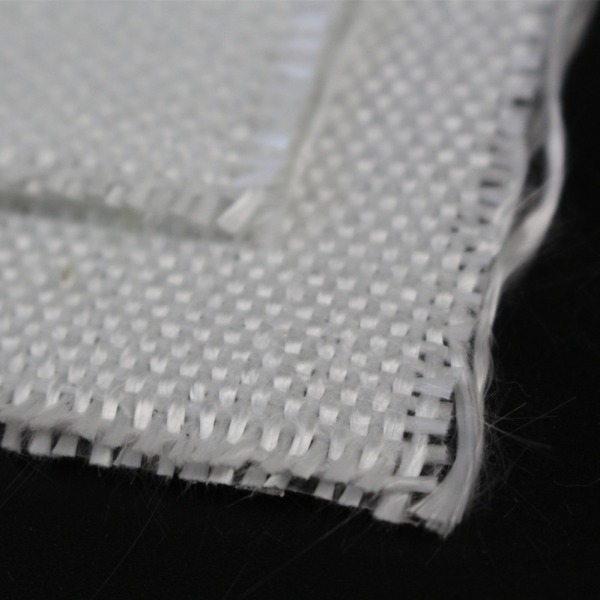
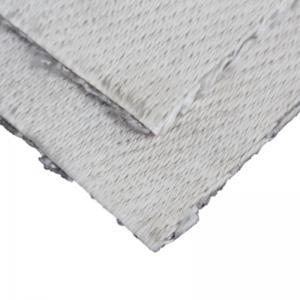
Choose texturized fiberglass fabric when greater thickness, fabric bulk, thermal-insulation capability and a fuller woven construction are important.
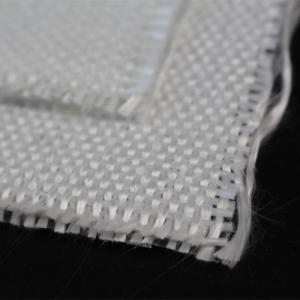
Choose filament fiberglass fabric when the application favors a thinner, denser and smoother cloth with tighter dimensional control and less bulk.
| Selection factor | Texturized fiberglass fabric | Filament fiberglass fabric |
|---|---|---|
| Yarn structure | Bulked or volumized fiberglass yarn | Smoother continuous-filament yarn |
| Typical fabric character | Thicker, fuller and more insulating | Thinner, denser and smoother |
| Thermal insulation | Often preferred where fabric bulk contributes to insulation | Often used where structural cloth or facing is more important than bulk |
| Thickness range | Well suited to heavier and thicker constructions | Can be produced in very thin constructions |
| Drape | Depends on weight; heavy grades can be bulky | Thin grades can offer good flexibility with lower bulk |
| Surface | More textured and open | Generally smoother and more compact |
| Coating base | Suitable for many coatings where a heavier substrate is needed | Suitable where a smoother or thinner coated composite is required |
| Typical applications | Insulation covers, welding blankets, expansion joints, thermal curtains | Heat barriers, coatings, laminations, thin insulation facings and fabricated components |
Texturizing changes the physical form of fiberglass yarn before it is woven into cloth. Continuous glass filaments are processed so that the yarn becomes bulkier and contains more volume than a smooth filament yarn of comparable fiber content.
This increased yarn volume creates a fabric with more thickness and fullness. The additional bulk can reduce direct solid-fiber paths through the textile and create more air space within the construction, which is one reason texturized fabrics are commonly selected for thermal-insulation applications.
The finished textile is often described using several search terms:
These names describe the yarn structure, not one universal thickness, weight or temperature rating.
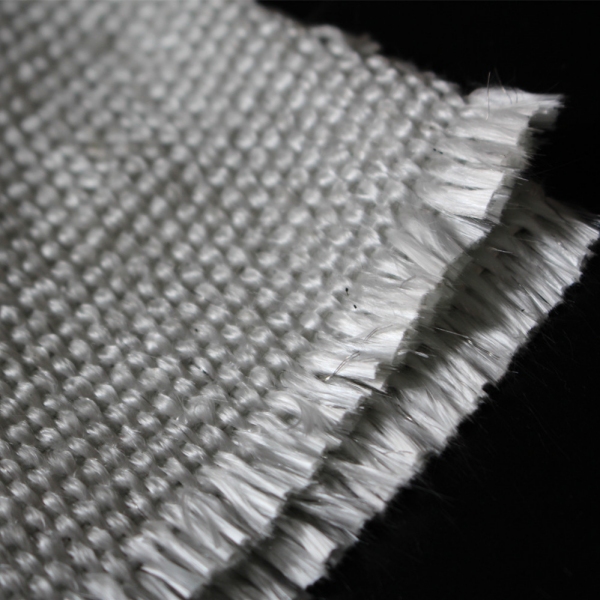
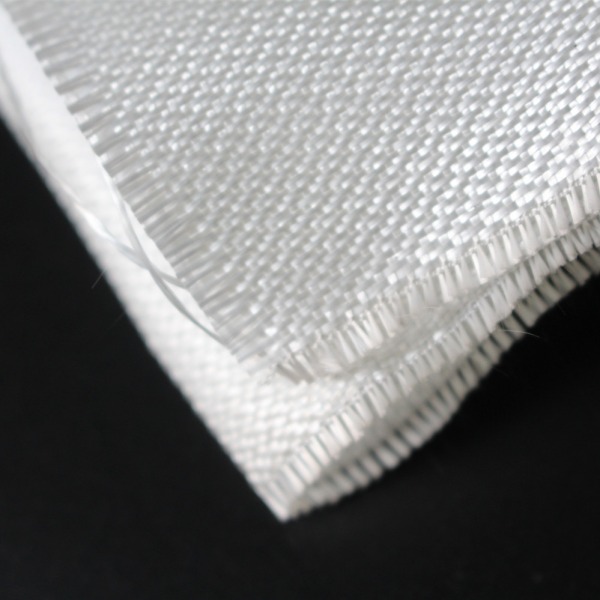
Filament fiberglass fabric is woven from continuous fiberglass filaments that remain comparatively smooth and compact rather than being bulked before weaving.
This allows manufacturers to produce fabrics that are relatively thin for their weight and that have a denser, smoother textile structure.
Filament constructions are frequently used when the application requires:
The term “filament fiberglass” does not itself identify the weave, weight or thermal rating. Plain, twill, satin and other weave styles can all be produced from filament yarns.
The difference starts at the yarn level rather than simply by adding more finished fabric.
Texturized yarn occupies more volume because its filaments have been mechanically expanded. When these bulked yarns are woven together, they create a thicker textile structure.
For example, the current BSTFLEX Texturized Fiberglass Fabric range includes approximately:
| BSTFLEX reference | Nominal weight | Nominal thickness |
|---|---|---|
| TFF-0.8 | 610 g/m² | 0.8 mm |
| TFF-1 | 800 g/m² | 1.0 mm |
| TFF-1.5 | 1000 g/m² | 1.5 mm |
| TFF-2 | 1300 g/m² | 2.0 mm |
| TFF-3 | 1800 g/m² | 3.0 mm |
These values illustrate the type of heavier construction that texturized yarn can support. The correct grade should still be selected according to the application rather than assuming that the thickest fabric is always the best choice.
Texturized fiberglass is commonly selected where the cloth itself needs more thermal bulk than a thin filament fabric.
The bulked yarn structure creates a thicker textile and more internal air space. This can make it useful for:
However, fabric thickness alone should not be treated as the total insulation performance of a complete jacket or blanket.
A removable insulation system normally obtains most of its thermal resistance from the insulation core. The textile layers retain the insulation, provide mechanical protection and help the complete assembly withstand its operating environment.
For fabricated insulation systems, see the BSTFLEX Removable Insulation Blankets range.
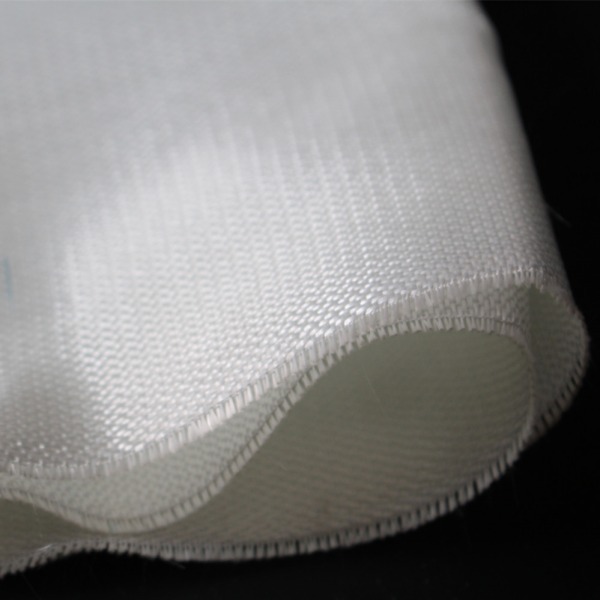
There is no universal answer based only on the words “texturized” and “filament.”
Mechanical performance also depends on:
A dense filament fabric can have excellent tensile properties while remaining relatively thin. A heavy texturized fabric may provide greater bulk and abrasion resistance but should not automatically be assumed to have higher tensile strength in every direction.
For load-sensitive applications, request the actual tensile and tear data for the quoted construction rather than selecting from yarn type alone.
Texturized yarn creates a fuller and more textured surface. This can make the fabric suitable for industrial applications where a heavier textile needs to tolerate handling, contact with insulation and general mechanical wear.
Filament fabrics usually provide a smoother surface. This can be advantageous when the cloth contacts another membrane, receives a thin coating or must be laminated to foil or another facing.
Surface treatment can change these characteristics significantly. Silicone, PTFE, vermiculite, graphite, aluminum foil and other finishes may determine the actual abrasion and environmental performance of the finished composite.
This distinction is important because “texturized fiberglass” and “heat-treated fiberglass” describe different manufacturing steps.
Texturizing changes the physical structure of the fiberglass yarn before weaving.
Heat treatment or heat cleaning is applied to the woven fabric to remove or reduce organic sizing and processing residues.
A fabric can therefore be:
BSTFLEX demonstrates this distinction in its Heat Treated Fiberglass Fabric range, which includes both filament and texturized constructions.
Do not use “texturized,” “heat treated” and “heat cleaned” as interchangeable terms in an RFQ.
Fiberglass yarns can contain sizing and processing aids used during textile manufacturing. A heat-cleaning process reduces these organic residues.
This may be important where buyers require:
Heat treatment does not change a filament yarn into a texturized yarn, and it should not be assumed to raise the temperature rating without supporting data for the exact product.
Texturized fiberglass fabric is frequently used as a substrate for functional coatings and laminations.
Possible treatments include:
The thicker and more open surface can accept substantial coating systems, but coating penetration, finished weight and flexibility need to be controlled.
A coated texturized fabric should be specified as a complete composite. The base fiberglass rating should not automatically be used as the rating of the finished coating system.
Filament fiberglass is often chosen where a thinner, smoother and more uniform substrate is preferred.
This may be useful for:
The smoother surface can help produce a relatively uniform coated product with lower bulk than a heavy texturized base.
The final choice depends on coating weight, required flexibility, finished thickness and application conditions.
Texturized fiberglass is often a good candidate for internal layers where bulk, thermal protection and insulation retention are useful.
Possible positions include:
Filament fiberglass can also be used in removable insulation systems when a thinner or smoother textile is required.
For the external surface, a coated material such as silicone coated fiberglass may be preferred where moisture, oil, weather and repeated handling are important.
The complete jacket should therefore be designed by layer function rather than by choosing one fiberglass fabric for every position.
Texturized fiberglass is widely used for welding blankets and curtains because it can be produced in relatively heavy constructions with useful thermal bulk.
The required grade depends on:
A thin filament fiberglass cloth may also be used in lighter-duty welding barriers or as the substrate for specialized coatings.
For severe exposure, a vermiculite-treated fiberglass or high-silica fabric may be more appropriate than untreated fiberglass.
See the Welding & Soldering Area Protection category for finished-product options.
Both texturized and filament fiberglass can appear in expansion-joint constructions, but they may perform different functions.
Texturized fabric can provide:
Filament fabric can provide:
The expansion joint must still be evaluated for temperature, gas composition, pressure, movement, leakage and geometry. Neither yarn type alone determines the performance of the complete joint.
For complete assemblies, see the Non-Metallic Fabric Expansion Joint range.
Texturized fiberglass may be selected where the gasket or fabricated seal benefits from greater textile thickness and compressible bulk.
Filament fiberglass may be preferable where the seal requires a thinner, denser reinforcement fabric or where the textile is wrapped around another gasket core.
Final sealing performance depends on more than the cloth:
Do not use fabric thickness alone to predict the sealing capability of a finished gasket.
Texturized and filament fabrics made from comparable glass fibers may have similar underlying glass-fiber temperature limits, but the finished products can carry different working-temperature guidance.
The usable temperature depends on:
BSTFLEX p58 and other fiberglass products should therefore be selected from the technical specification of the exact quoted grade.
A melting point or bare-glass temperature should not automatically be treated as the continuous operating temperature of a finished fabric.
Comparing a 1000 g/m² texturized fabric with a 200 g/m² filament fabric does not isolate the effect of yarn type. The fabrics differ in both construction and mass.
For a useful technical comparison, try to hold as many variables constant as practical:
Then compare thickness, mechanical properties, thermal performance and fabrication behavior.
This prevents a buyer from attributing every performance difference to texturizing when some of the difference actually comes from fabric weight or weave.
Wire inserted fiberglass adds another selection path.
A wire reinforced fabric incorporates stainless steel wire or another metallic reinforcement into the textile construction to provide additional mechanical support and dimensional stability.
This is different from merely choosing texturized yarn.
| Construction | Main reason to select it |
|---|---|
| Filament fiberglass | Thin, dense and controlled textile construction |
| Texturized fiberglass | Bulk, thickness and insulation-oriented construction |
| Wire inserted fiberglass | Additional mechanical reinforcement and dimensional stability |
Where added mechanical support is required, see High Temperature Fiberglass Woven Fabric with Wire Insert.
| RFQ item | Information to provide |
|---|---|
| Yarn type | Texturized, filament or supplier recommendation based on the application |
| Application | Insulation cover, welding blanket, expansion joint, gasket, pipe wrap or coating substrate |
| Temperature | Normal fabric temperature, peak temperature, duration and heat source |
| Fabric weight | Required g/m² or acceptable range |
| Thickness | Nominal value and tolerance |
| Weave | Plain, twill, satin or project-specific construction |
| Width | Usable roll width and required roll length |
| Surface condition | Untreated, heat cleaned, heat treated or other finish |
| Coating | Silicone, vermiculite, PTFE, graphite, aluminum or uncoated |
| Mechanical requirement | Tensile, tear, abrasion, flexibility or dimensional stability where applicable |
| Fabrication | Cutting, sewing, laminating, coating or finished-component requirements |
| Quantity | Sample, prototype, project volume or OEM repeat requirement |
For replacement material, send the existing fabric specification or a sample whenever possible. A statement such as “1 mm fiberglass cloth” is not enough to determine whether the existing material is filament, texturized, coated or heat treated.
No. Texturized yarn is mechanically bulked before weaving, producing a thicker and fuller fabric. Filament fiberglass uses comparatively smooth continuous-filament yarns and can be woven into thinner, denser constructions.
It is commonly preferred when the fabric itself needs greater bulk and thickness. The total thermal performance of an insulation jacket still depends mainly on the complete assembly and insulation core.
Not automatically. Strength depends on yarn size, weave, fabric weight and direction of loading. Compare actual mechanical data for the proposed grades.
Not simply because it is texturized. Temperature capability depends on the glass composition, surface treatment, coating and full product construction.
No. Texturizing changes yarn structure. Heat treatment is a separate finishing process used after weaving to reduce organic sizing and processing residues. Either filament or texturized fiberglass can be heat treated.
Yes. It can serve as a substrate for silicone, vermiculite, PTFE, graphite, aluminum and other treatments. The finished composite should be rated according to the complete construction.
Yes. It may be used as a thermal, insulation-support or treated fabric layer in suitable multilayer expansion-joint constructions. Pressure, movement, gas sealing and chemical compatibility require separate assembly-level evaluation.
The current BSTFLEX Texturized Fiberglass Fabric range includes nominal thicknesses from approximately 0.8 mm to 3.0 mm, with custom requirements subject to manufacturing confirmation.
BSTFLEX supplies Texturized Fiberglass Fabric for industrial thermal insulation, welding protection, expansion joints, equipment covers and OEM fabrication.
Send the required temperature, thickness, fabric weight, width, surface treatment, quantity and final application. If you are replacing an existing filament or texturized fiberglass fabric, provide the current specification or sample so the constructions can be compared accurately.
Additional filament, heat-treated, coated, silica, ceramic and reinforced fabrics are available through the High Temperature Fabric range.
Contact BSTFLEX for material selection, samples and quotation support.

 English
 Deutsch
 русский
 italiano
 español
 português
 Nederlands
 العربية
 日本語
 한국의
 Türkçe
 Polski
 Tiếng Việt
 slovenský
 Indonesia