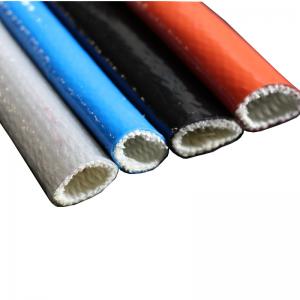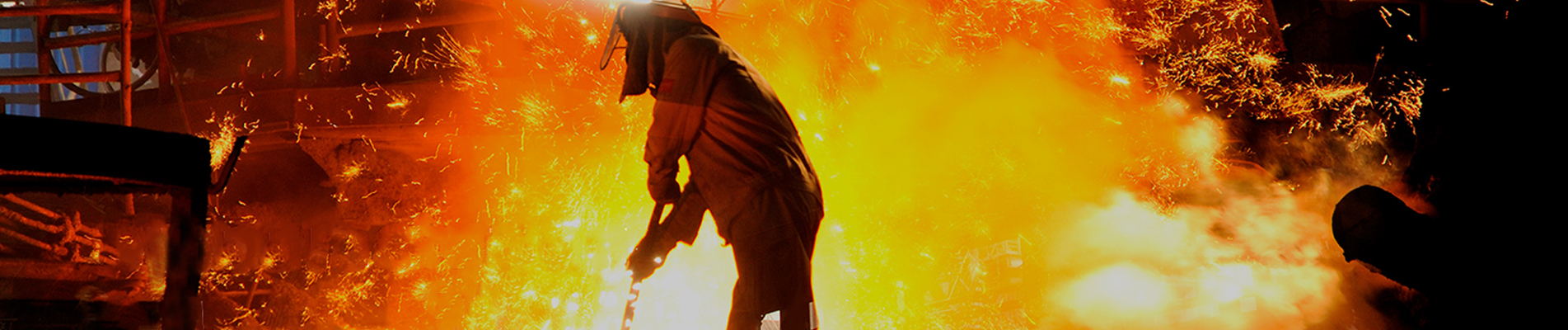
Choosing a silica fiber sleeve starts with the heat exposure at the protected component, not the hottest number printed beside a material name. A cable routed near a furnace, exhaust line or hot process pipe sees a particular combination of distance, airflow, contact and exposure time. The sleeve must also fit the installed route and remain in place during service.
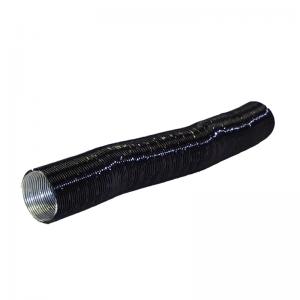
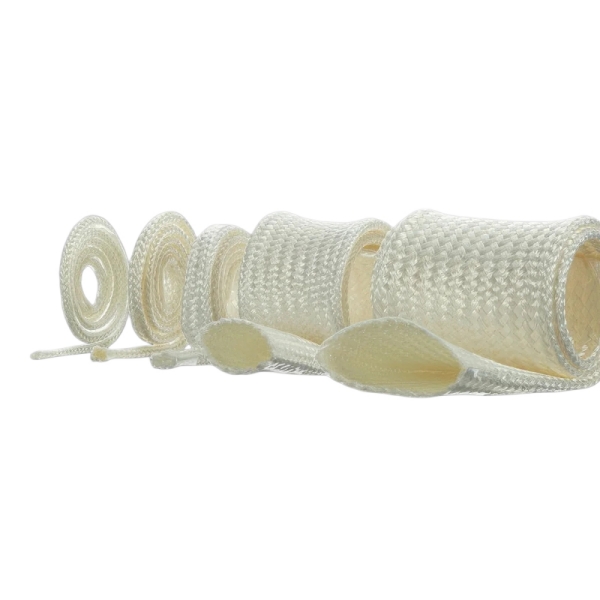
BSTFLEX Silica Fiber Braided Sleeving is listed as a 96% silica braided sleeve for wires, cables, hoses, tubes and pipes. This guide explains what to document before choosing a size or approving a sample.
Record the heat source, distance from the route, normal operating duration and any short peaks. State whether the sleeve faces radiant heat, hot moving air or direct contact. Include shutdown heat soak if nearby parts continue to heat the assembly after the equipment stops.
Identify the temperature limit of the protected cable, hose or sensor from its own supplier. Then evaluate the sleeve and protected component together under representative conditions. A sleeve material rating does not by itself establish the temperature reached by the component inside it.
The p110 page shows differing temperature statements in separate sections, including a continuous-use figure and a separate technical datasheet figure. Request written confirmation of the applicable rating and test conditions for the exact construction and size before using a temperature limit in a design specification.
Measure the cable bundle or hose outside diameter along the protected section. Also measure the largest connector, ferrule or fitting the sleeve must pass over. Include bends, clamps, nearby edges and the length that needs coverage. The nominal sleeve ID in the product table is a starting point; confirm fit with a sample on the actual assembly.
Check whether the component can be threaded through a continuous tube. If connectors cannot be removed and neither end is accessible, ask whether another installation construction is available. Do not cut a braided sleeve open and assume the cut edge will retain the same coverage.
Use the intended installation sequence and check the sleeve at the straight section, tightest bend and each retaining point. Confirm that it does not bunch, migrate or obstruct service access. Inspect cut ends and the outer braid for snagging or damage caused by fittings and brackets.
For moving hoses, cycle the assembly through its normal range and inspect again. Add the actual contact surface to the trial if vibration can make the sleeve rub against adjacent hardware. A bench fit test cannot show how the textile will behave at a moving contact point.
| Specification item | What to provide | Why it matters |
|---|---|---|
| Protected component | Cable, wire bundle, hose, tube or pipe; outside diameter | Establishes the starting sleeve size |
| Assembly path | Largest fitting, connector and access from either end | Determines whether a continuous tube can be installed |
| Heat conditions | Source, distance, exposure type, duration and heat soak | Defines the test and rating required |
| Mechanical conditions | Bends, vibration, rubbing, clamps and service movement | Sets fit, retention and inspection needs |
| Acceptance criteria | Required coverage, component temperature limit and sample checks | Turns the trial into a repeatable purchase specification |
If the assembly needs electrical insulation, request test data for the finished sleeve size and the relevant method. A silica fiber description alone does not establish a dielectric rating. If the hose needs burst containment, specify and validate that requirement separately; a braided thermal sleeve is not automatically a pressure containment cover.
Where molten splash or welding spatter is part of the hazard, describe the material, direction and likely exposure. Confirm the test evidence for the proposed sleeve construction rather than inferring a pass from a broad application statement.
For a sample or quotation, send these details with the intended service conditions. Anhui Parker New Material Co., Ltd. handles production of BSTFLEX products and can review the requested construction and sample scope.
No. The result depends on the sleeve construction, heat source, clearance, airflow, exposure time and the cable itself. Validate the actual assembly and confirm the rating for the selected size.
No. Record the exposure at the installed sleeve and measure the protected component during its operating cycle. Direct contact, radiant heat and hot air create different conditions.
Ask for the applicable continuous and short-duration ratings, test method and conditions for the exact proposed construction. Keep that confirmation with the approved sample and purchase specification.
Use the product table as an initial reference, then trial the proposed size over the actual component and any fitting it must pass. Confirm coverage after routing and retention.
See the silica fiber sleeve specifications when preparing a sample request.

 English
 Deutsch
 русский
 italiano
 español
 português
 Nederlands
 العربية
 日本語
 한국의
 Türkçe
 Polski
 Tiếng Việt
 slovenský
 Indonesia